What Is AI Data Annotation? A Complete Beginner's Guide (2026)
Artificial Intelligence (AI) is transforming industries across the world from healthcare and finance to education, transportation, and customer service. But before AI systems can recognize images, understand language, or make intelligent decisions, they must first learn from human-generated data.
This is where AI Data Annotation comes in.
Data annotation is one of the fastest-growing fields in the AI industry, creating thousands of remote work opportunities for people around the world. Whether you're looking for a flexible online job or exploring a career in artificial intelligence, understanding data annotation is an excellent place to start.
In this guide, we'll explain what AI data annotation is, why it's important, the different types of annotation, the skills required, and how platforms like Hirestackjobs are helping connect businesses with workers for AI-related projects.
What Is AI Data Annotation?
AI data annotation is the process of labeling or organizing data so that artificial intelligence systems can learn to recognize patterns and make better decisions.
Simply put, humans teach AI by providing examples.
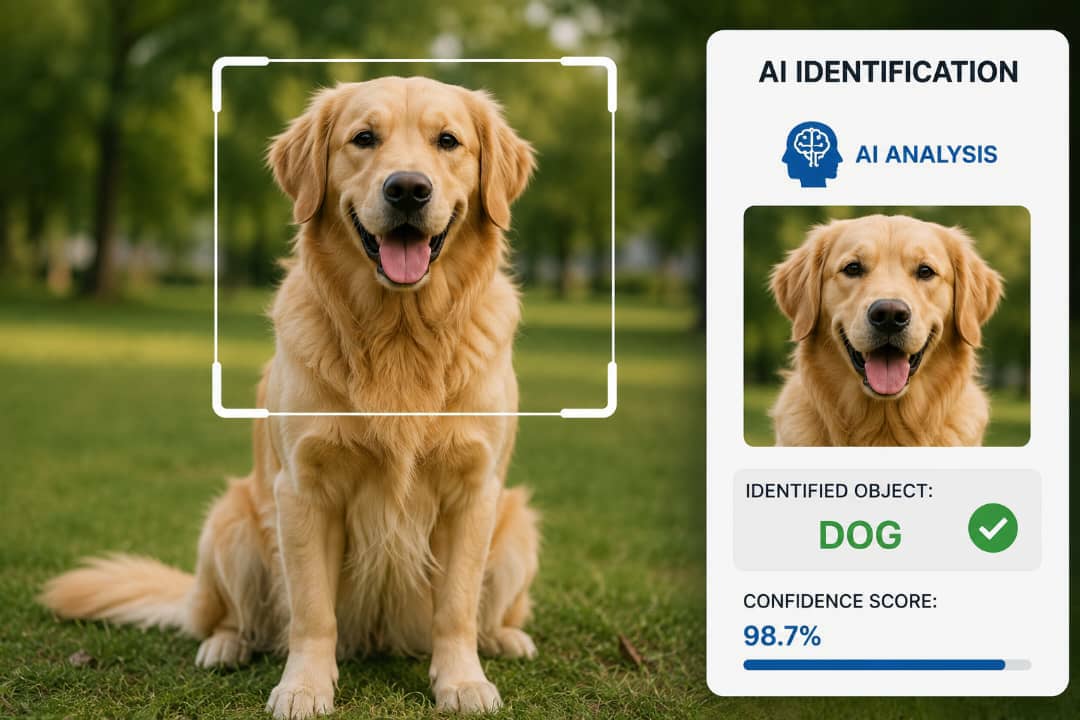
For instance, if an AI system needs to recognize cats in photos, thousands—or even millions—of images must first be labeled by people as "cat," "dog," "car," or other categories. These labeled examples become training data that helps the AI improve its accuracy over time.
Without high-quality annotated data, AI models cannot learn effectively.
Why Is Data Annotation Important?
Artificial intelligence depends on data.
Every AI model learns by analyzing examples that have already been labeled correctly by humans.
Data annotation helps AI systems:
Recognize objects in images
Understand written language
Interpret speech
Detect emotions
Improve search results
Drive autonomous vehicles
Filter harmful online content
Generate better AI responses
The quality of an AI system often depends on the quality of its training data.
Types of AI Data Annotation
Data annotation includes many different types of work.
✔️Image Annotation
Workers label objects inside photographs.
Examples include:
Cars
Traffic signs
Animals
Buildings
People
Medical images
Image annotation is commonly used in self-driving cars, healthcare, agriculture, and security systems.
✔️Text Annotation
Workers identify important information inside written text.
Examples include:
Product names
Company names
Locations
Sentiment
Categories
Intent
Text annotation helps improve chatbots, search engines, translation systems, and language models.
✔️Audio Annotation
Workers listen to recordings and label or transcribe speech.
This helps AI systems:
Recognize different accents
Improve speech recognition
Understand conversations
Generate subtitles
✔️Video Annotation
Workers label moving objects across video frames.
Video annotation supports:
Autonomous vehicles
Security monitoring
Sports analysis
Robotics
✔️AI Response Evaluation
Modern AI systems often generate answers to questions.
Human reviewers compare responses, identify inaccuracies, and rate quality.
This process helps improve AI accuracy and reliability.
Who Uses Data Annotation?
Many industries rely on annotated data.
Examples include:
AI research companies
Technology companies
Healthcare organizations
Financial institutions
Universities
Autonomous vehicle companies
Robotics companies
Government agencies
As AI adoption continues to grow, demand for annotated data continues to increase.
Skills Needed for AI Data Annotation
The good news is that many annotation projects don't require advanced technical degrees.
Successful annotators often have:
Strong attention to detail
Good reading comprehension
Basic computer skills
Ability to follow instructions
Consistency
Time management
Critical thinking
Some specialized projects may require additional training, but many entry-level opportunities are designed for beginners.
Can Beginners Do AI Data Annotation?
Yes.
Many AI annotation projects are suitable for people with little or no previous experience.
Most organizations provide project guidelines explaining exactly how tasks should be completed.
As workers gain experience, they often qualify for more advanced and higher-paying projects.
Continuous learning and accuracy are key to long-term success.
Benefits of Working in AI Data Annotation
AI annotation offers several advantages.
Flexible Work
Many projects can be completed remotely, allowing workers to choose where they work.
Growing Industry
Artificial intelligence continues to expand, increasing demand for quality training data.
Skill Development
Workers gain valuable experience in AI, digital operations, quality assurance, and research.
Diverse Projects
No two projects are exactly alike, making the work engaging and educational.
Challenges of Data Annotation
Like any profession, AI data annotation also comes with challenges.
Workers should be prepared to:
✔️Follow detailed instructions carefully.
✔️Maintain accuracy over speed.
✔️Meet project deadlines.
✔️Learn new guidelines regularly.
✔️Adapt to different project types.
Attention to detail is often more important than completing tasks quickly.
How Hirestackjobs Supports AI Data Annotation
As artificial intelligence continues to evolve, businesses need access to reliable human expertise.
Hirestackjobs is an emerging AI-powered peer-to-peer remote work marketplace designed to connect organizations with verified workers for AI-related projects.
Businesses can publish opportunities requiring skills such as:
AI Data Annotation
Image Labeling
Text Annotation
AI Response Evaluation
Data Collection
Research
Content Moderation
AI Training Support
Workers can build verified profiles, explore available projects, develop valuable digital skills, and participate in the growing AI economy.
Hirestackjobs aims to simplify the connection between organizations and remote professionals while supporting high-quality project delivery.
The Future of AI Data Annotation
Artificial intelligence is becoming part of everyday life.
From virtual assistants and recommendation systems to autonomous vehicles and medical technology, AI continues to expand into new industries.
Behind every successful AI model is carefully prepared data created by people.
This means human expertise will continue to play a vital role in developing smarter, safer, and more reliable AI systems.
As organizations invest more heavily in artificial intelligence, demand for skilled annotation professionals is expected to remain strong for years to come.
Final Thoughts
AI Data Annotation is much more than simply labeling images or reviewing text. It is one of the essential building blocks of modern artificial intelligence.
For individuals looking to enter the digital workforce, data annotation offers an opportunity to gain practical experience in one of the world's fastest-growing industries.
As an emerging AI-powered remote work marketplace, Hirestackjobs is building a platform that helps businesses find qualified workers while giving people around the world access to meaningful AI-related opportunities.
Whether you're taking your first step into remote work or expanding your digital career, learning AI data annotation is an investment in the future of work.